
Mission 07 · JAXA
MMX and Idefix
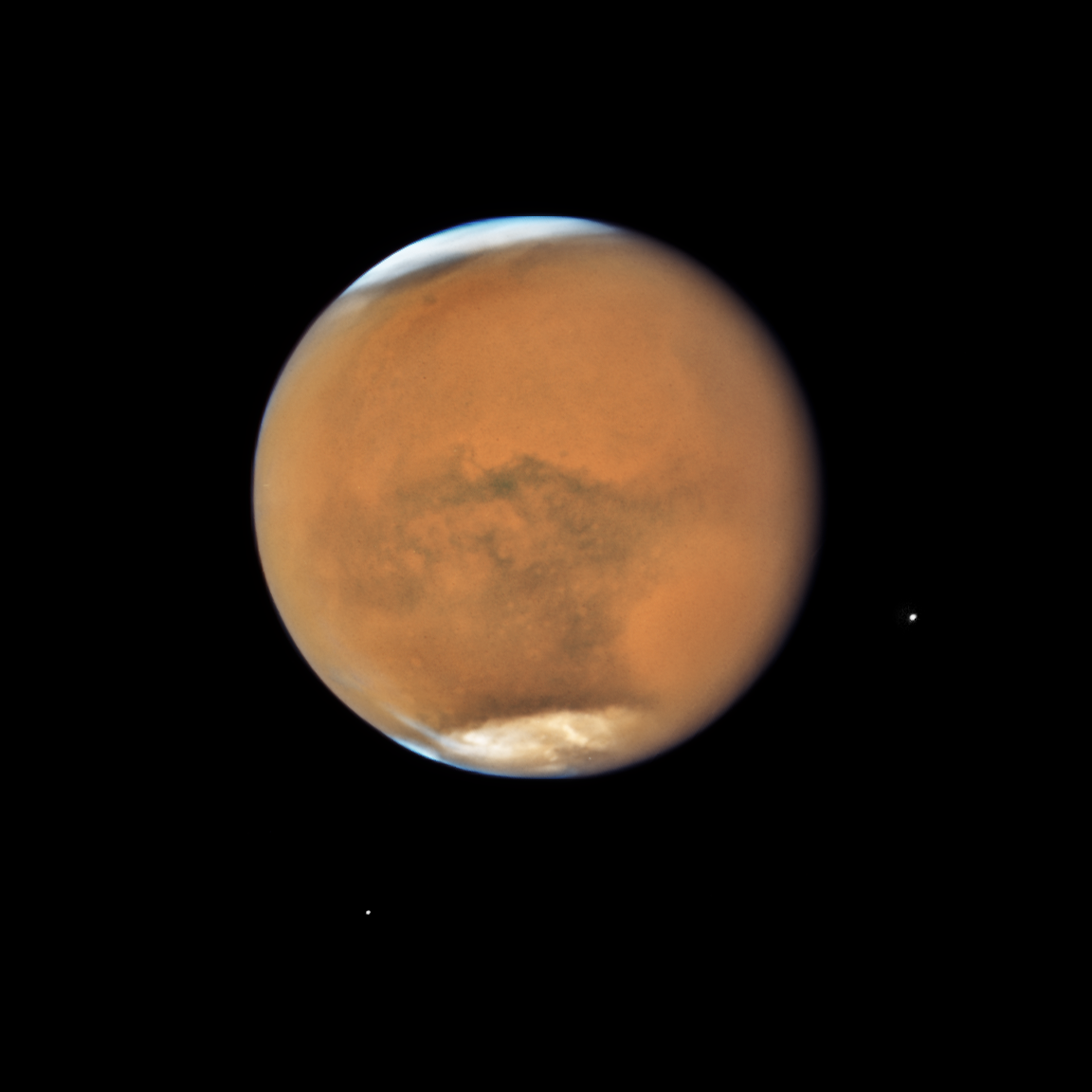
Phobos looks like an asteroid. Did Mars capture it, or did it form from the debris of a collision? MMX aims to bring a few grams of the moon back to Earth to investigate its origins.
Take a closer look at each moon with images from the HiRISE camera.
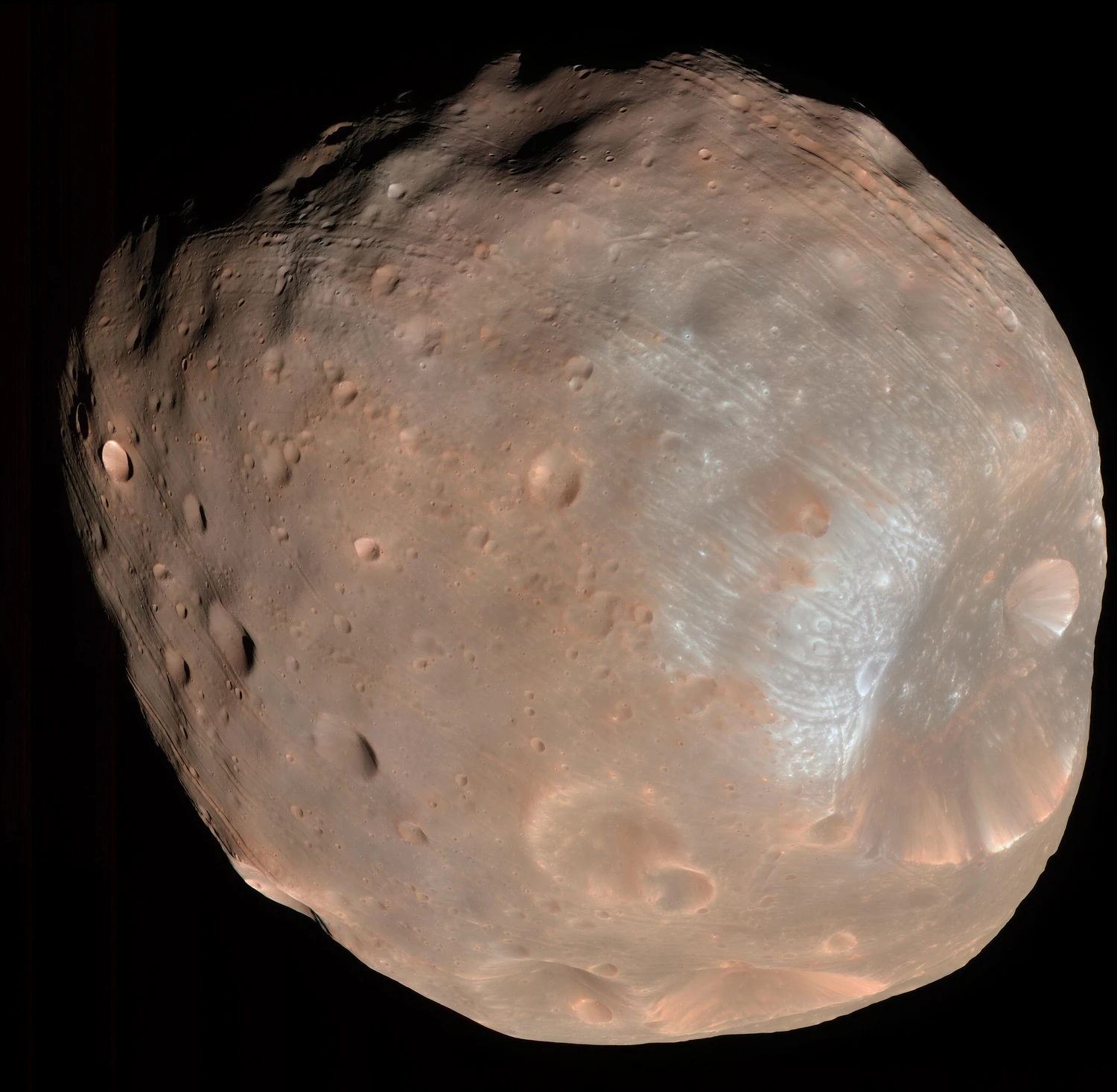 StickneyGrooves
Stickney is about 9 km across. The entire sunlit part of Phobos in this picture spans about 21 km. Several nearly parallel grooves are visible above it. The crater bears the surname of Angeline Stickney. In 1877 she encouraged Asaph Hall to keep looking for moons around Mars when he was ready to give up. The story at NASA
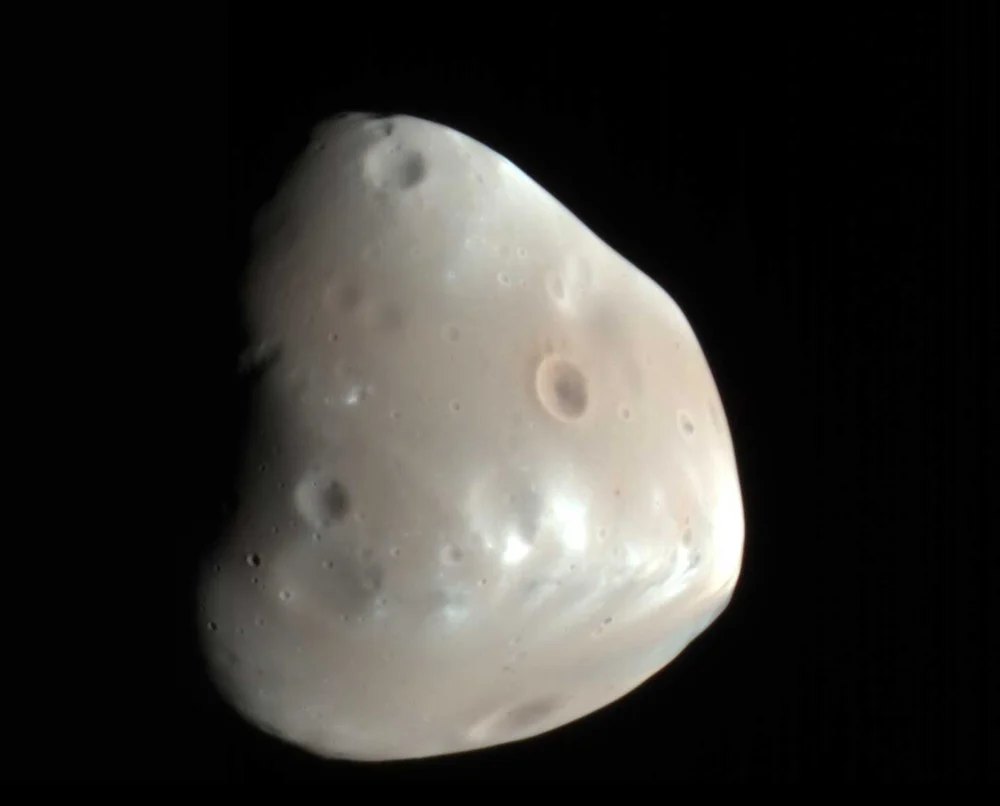
Dust and fragments partly fill its craters. MMX will study Deimos from a distance. The sample bound for Earth will come from Phobos.
On its way to Mars
The spacecraft that will touch the ground.
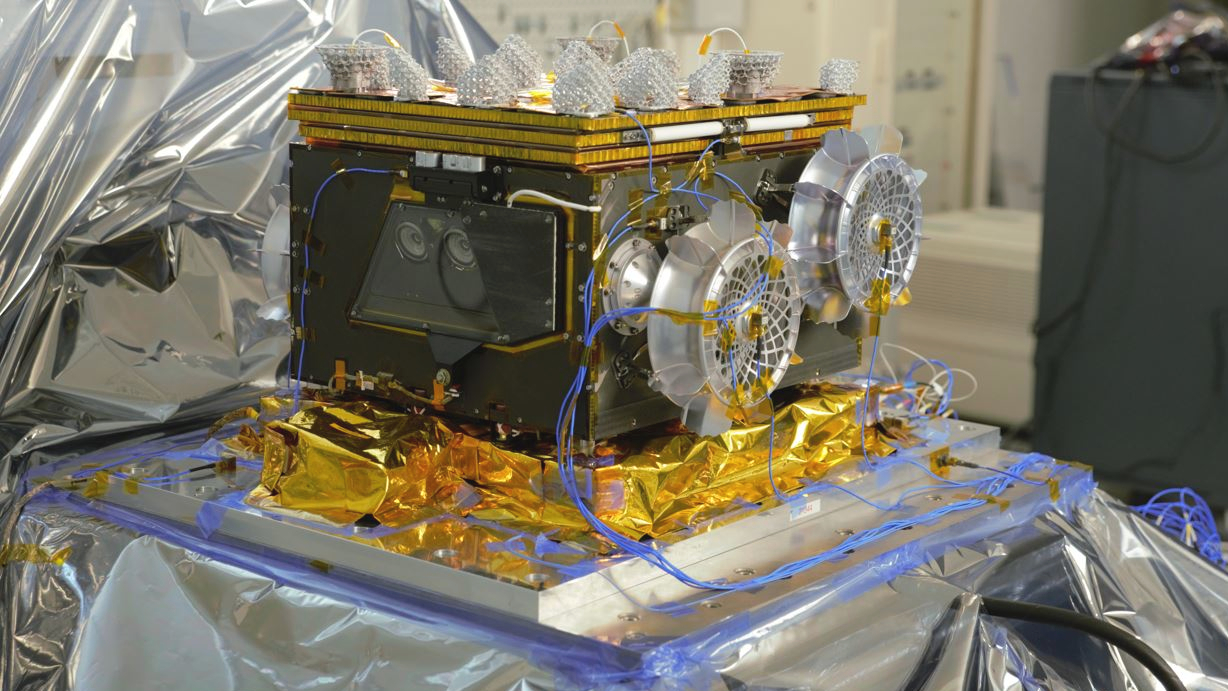
MMX stands for Martian Moons eXploration. Look for the legs on the right of the photograph. This is the spacecraft that will touch down on Phobos to collect samples. First it will release a small scout built in France and Germany.
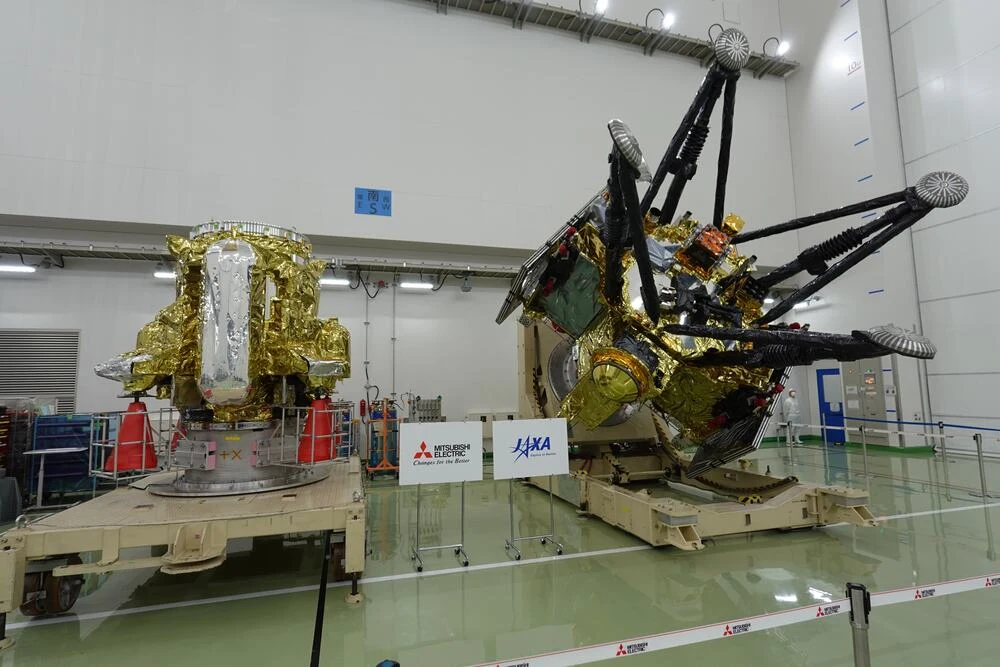
Idefix® · CNES / DLR
What if it lands upside down?
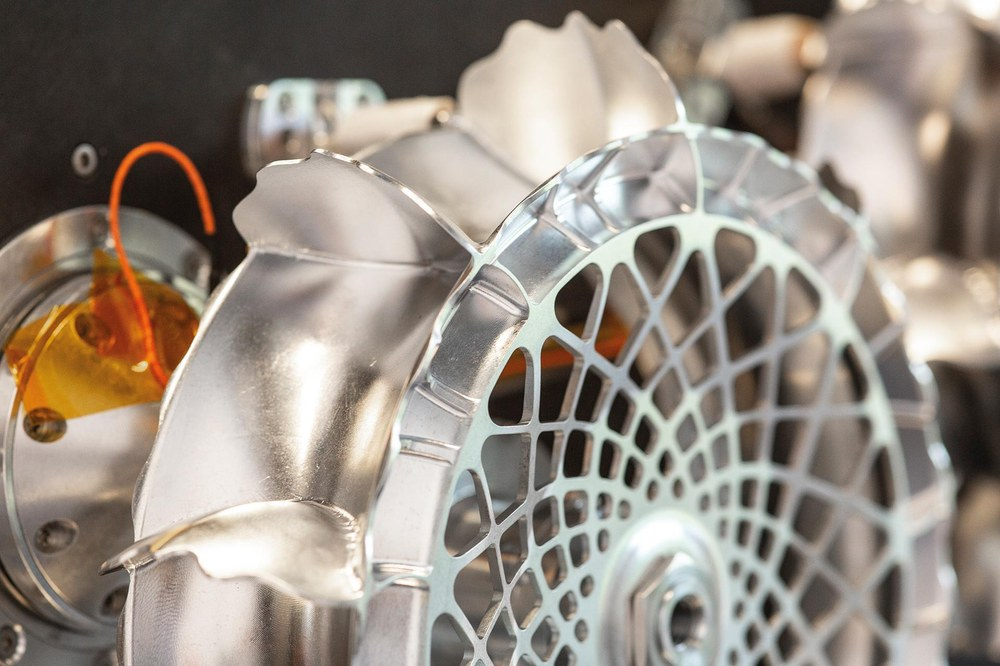
The plan is to release the rover from about 40 to 100 metres up. Gravity on Phobos is so weak that the team expects it to bounce. Once it comes to rest, Idefix will have to right itself using its four legs before it can unfold its solar panels.
One minute on Phobos
A wheel turning too fast could lose contact with the ground. DLR gives a typical speed of just one millimetre per second. Choose how long you’d let it drive.
Where does “Idefix” come from?
From the little dog that accompanies Asterix and Obelix. When CNES announced the name in 2023, this travelling companion already had four wheels.
The naming of the rover at CNESPlanned sample · At least 10 g in total
Two ways to collect a piece of a moon.
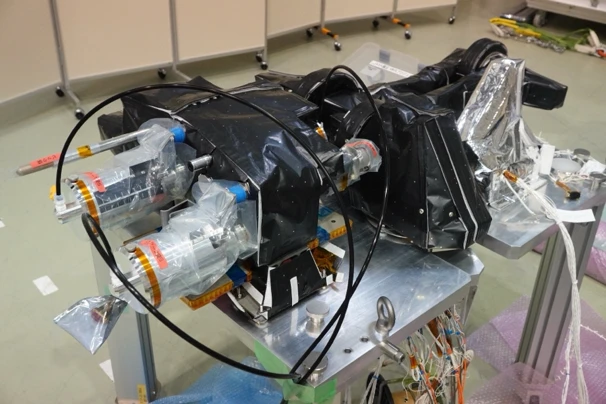
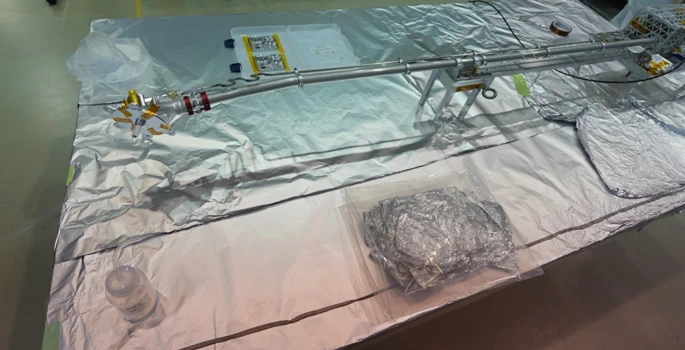
Imagine the spacecraft standing on Phobos. The team wants both grains exposed to space and material sheltered a little farther down. Choose a layer to see the instrument built to collect it.
Back on Earth
What story fits into ten grams?
By analysing what the grains are made of, laboratories will be able to compare them with Martian meteorites and asteroid material. Each possible origin would leave different clues.
If Phobos was a captured asteroid…
Original grains would carry the composition of the small body that passed close to Mars and was captured. A resemblance to primitive asteroid material would lend weight to that idea.
If it formed after a giant impact on Mars…
A collision would have thrown pieces of Mars and the impactor into orbit. Some of that debris could have gathered to form Phobos. Researchers will look for signs of that mixture across the sample.
MMX · JAXA
There and back.
- Launch on an H3 rocket. It was 19:41 UTC on the 19th and 04:41 on the 20th in Japan.
- Planned arrival in the Martian system. MMX will begin studying the moons and scouting landing sites.
- Idefix is due to be released around the turn of 2028–29. Its surface exploration is expected to last about 100 days.
- The main spacecraft will descend to collect grains from Phobos. Agency schedules place this operation in either 2029 or 2030.
- Planned return of the sample capsule to Earth.